



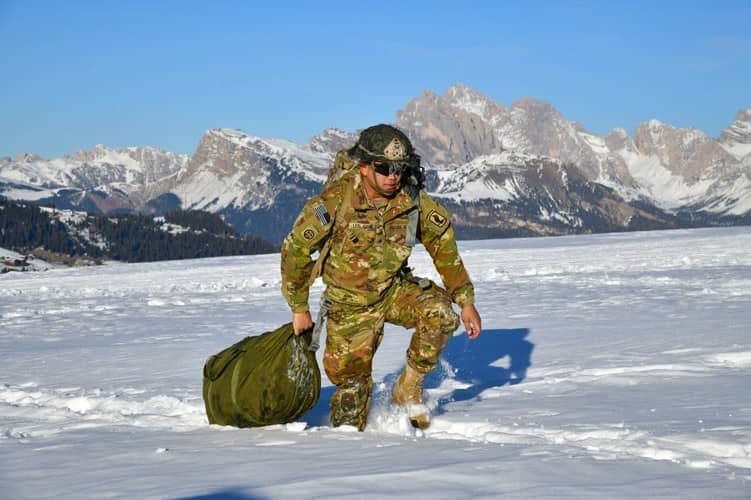
Best Military Boots for Cold-Weather Field Operations

When you're conducting field operations in cold weather, your feet are one of your most critical assets. Proper military boots designed for harsh winter conditions can mean the difference between mission success and cold-related injuries that compromise your effectiveness. Selecting the right cold-weather boots requires understanding the nuances of insulation, waterproofing, and terrain performance.
This comprehensive guide covers the best military boots for cold-weather field operations, examining insulated and non-insulated options, key features to consider, and recommendations from experienced operators who understand what real-world performance demands.
Understanding Cold-Weather Boot Requirements
Cold-weather military boots must balance multiple critical factors. Unlike casual winter footwear, military boots need to support extended field operations where comfort, durability, and performance directly impact mission outcomes. The best military boots for cold environments provide:
- Superior insulation to maintain core foot temperature
- Waterproof construction to keep moisture away from skin
- Breathability to prevent sweat accumulation
- Ankle support for stable movement on challenging terrain
- Aggressive tread patterns for traction on snow and ice
- Durability to withstand extended field use
Understanding your specific operational environment is essential. High-altitude mountain operations, arctic missions, and standard winter field exercises each present unique demands. The right cold-weather boot selection depends on your operational timeline, packing constraints, and environmental severity.
Insulated vs. Non-Insulated Boots: What Works Best
One of the most important decisions when selecting military boots for cold-weather field operations is choosing between insulated and non-insulated options. Contrary to what many assume, for most locations and typical field exercises, I’d recommend non-insulated boots paired with heavier tactical socks for cold-weather conditions. This approach offers significant advantages.
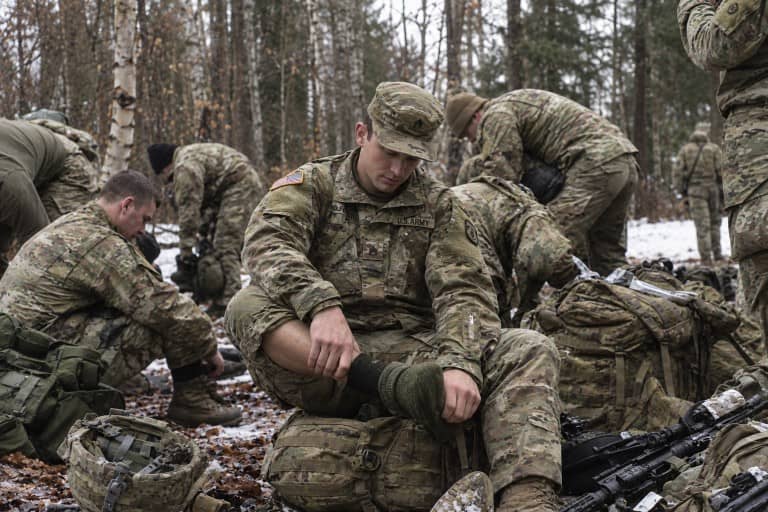
Non-insulated boots with quality socks provide:
- Greater versatility across temperature ranges
- Superior moisture management in active operations
- Reduced risk of foot sweat accumulation and subsequent cooling
- Better adaptability if operational intensity changes
- Simpler maintenance and care protocols
However, heavily insulated boots become essential when your operational environment or packing list specifically requires them. Extended arctic missions, static observation posts, or operational parameters that demand maximum insulation benefit from dedicated insulated military boots. The key is matching boot selection to operational reality rather than assuming more insulation always equals better performance.
High-quality tactical socks serve as your first line of defense against cold. Merino wool or premium synthetic blend socks designed for military use manage moisture while providing insulation. For most operators, upgrading sock selection before investing in fully insulated boots yields better practical results.
Top Military Boots for Cold-Weather Field Operations
Garmont T8 Extreme EVO 200g Thinsulate Boots
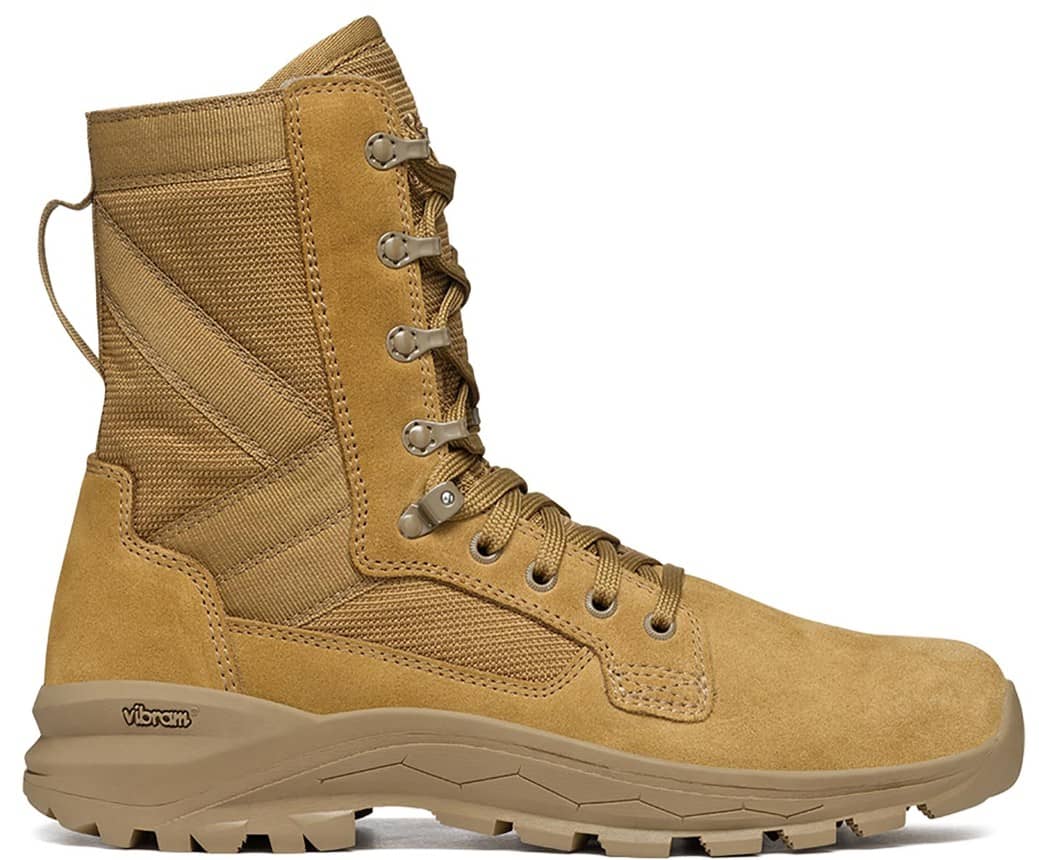
The Garmont T8 Extreme EVO 200g Thinsulate Boots represent a balanced approach to cold-weather military footwear. Garmont has built a reputation in military and mountaineering circles for producing boots that perform in genuinely harsh environments. The T8 Extreme EVO features 200g of Thinsulate insulation—enough to handle winter field operations without creating the moisture management challenges that come with heavier insulation.
These boots excel for operators who anticipate variable activity levels. The moderate insulation level works effectively during static positions while remaining manageable during movement and patrol operations. The EVO construction provides responsive support on technical terrain, and the aggressive outsole handles snow and ice-covered ground reliably.
The 200g Thinsulate option sits in the sweet spot for most cold-weather scenarios. It's substantially warmer than non-insulated options but maintains the breathability necessary for sustained operations.
Belleville Khyber 400g Thinsulate Waterproof Boots
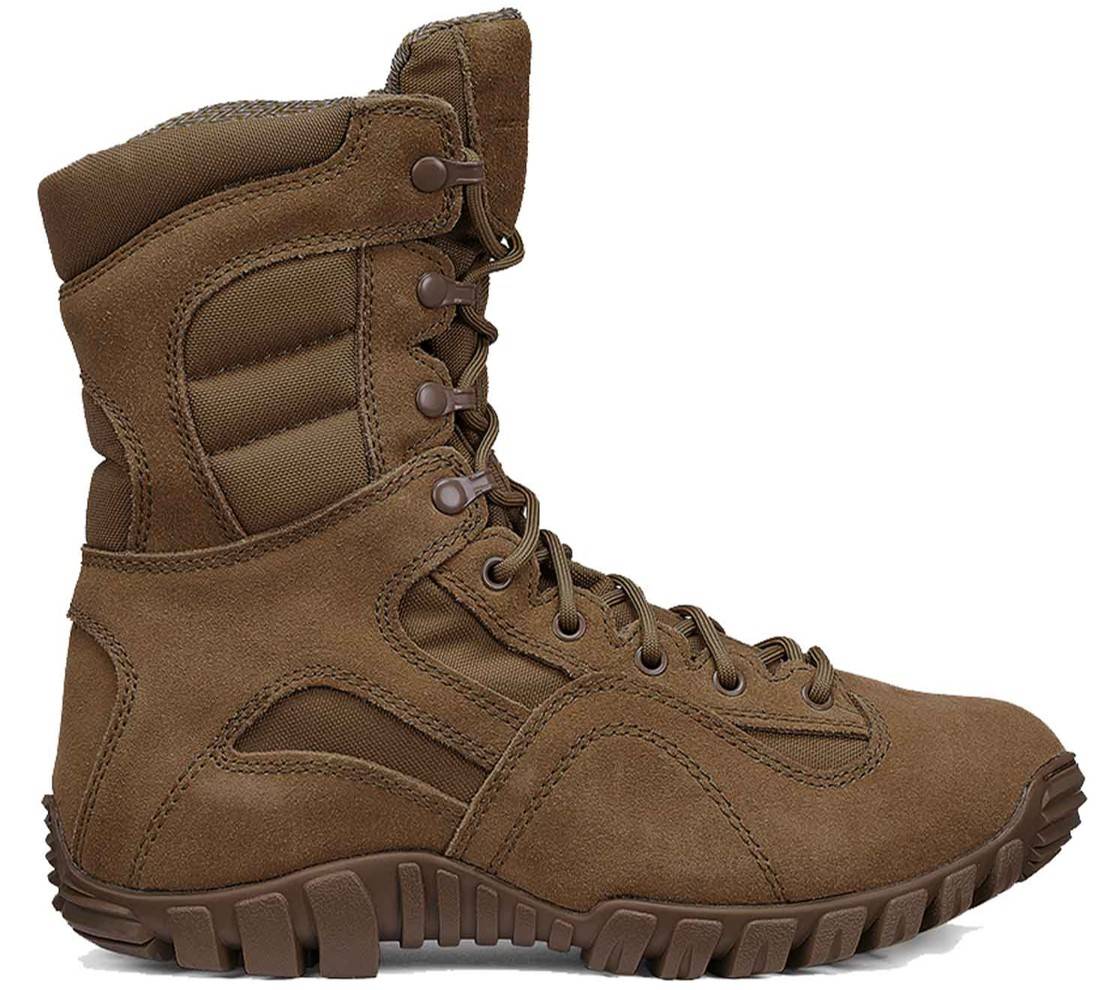
When your operational environment demands maximum insulation, the Belleville Khyber 400g Thinsulate Waterproof Boots deliver serious cold-weather protection. Belleville has supplied boots to military units worldwide, and the Khyber represents their premium cold-weather offering.
With 400g of Thinsulate insulation, these boots tackle extreme cold effectively. The increased insulation thickness makes them ideal for extended arctic operations, mountaineering-adjacent missions, or scenarios where your packing list explicitly requires maximum warmth. Belleville's waterproof construction uses Gore-Tex technology to keep moisture out while allowing vapor transmission.
These boots work best for operators who will prioritize warmth over activity variability. They're exceptional for observation posts, static security positions, or cold-climate operations where temperature performance takes priority over all-day marching comfort. The aggressive sole pattern provides excellent traction on snow and ice.
Garmont T8 Bifida Tactical Boots with Ortholite Insoles
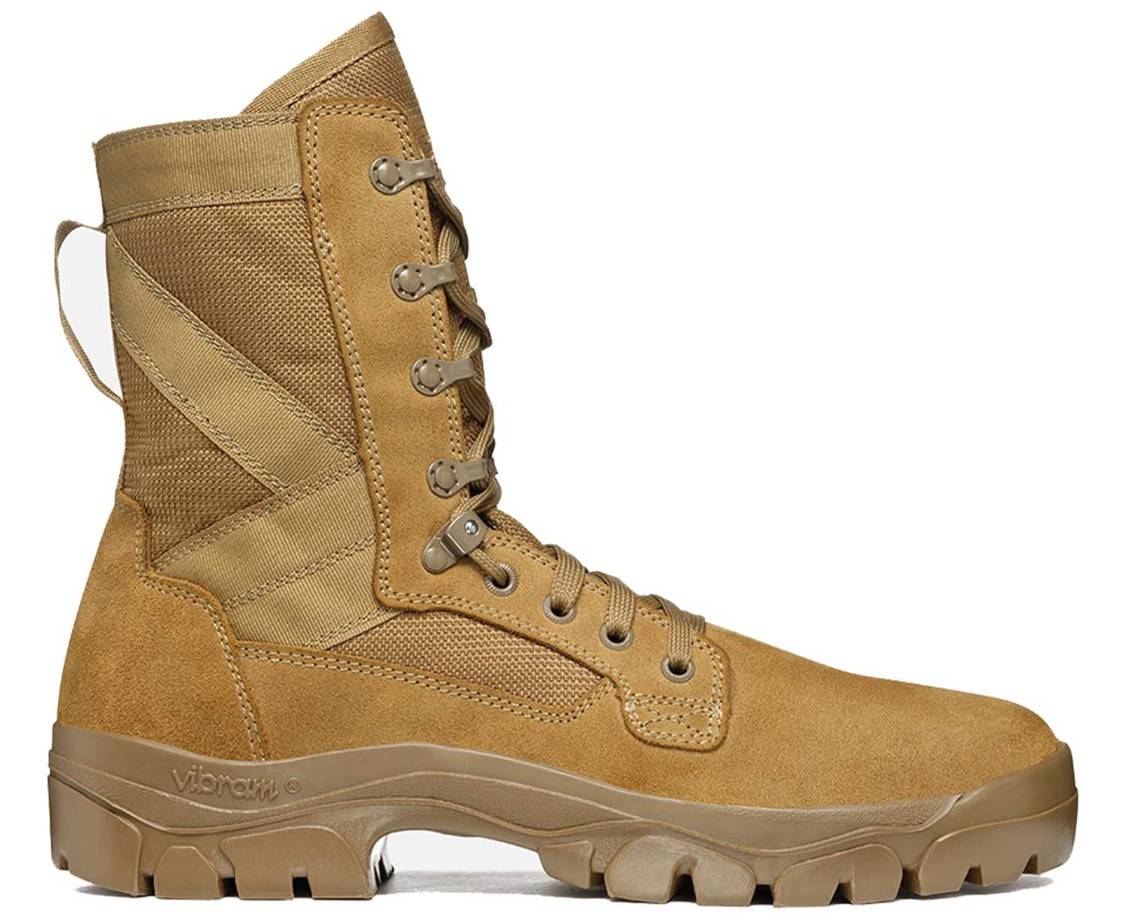
The Garmont T8 Bifida Tactical Boots with Ortholite Insoles offer an excellent non-insulated platform for operators following the insulated-socks-over-insulated-boots philosophy. Garmont's T8 Bifida construction delivers outstanding support and durability without the thermal overhead of integrated insulation.
The Ortholite insoles provide superior comfort and moisture-wicking properties, supporting extended field operations without the foot fatigue that can compromise operational effectiveness. This non-insulated approach maximizes versatility—these boots perform equally well in mild winter conditions or paired with premium thermal socks in cold environments.
For military professionals who conduct operations across variable climates or who want a primary boot that adapts to multiple seasons, the Bifida represents intelligent footwear selection. The robust construction withstands years of field use while the non-insulated design reduces sweat accumulation during intense activity.
Nike Men's SFB Air Field Ukiah 8" Leather Military Boots
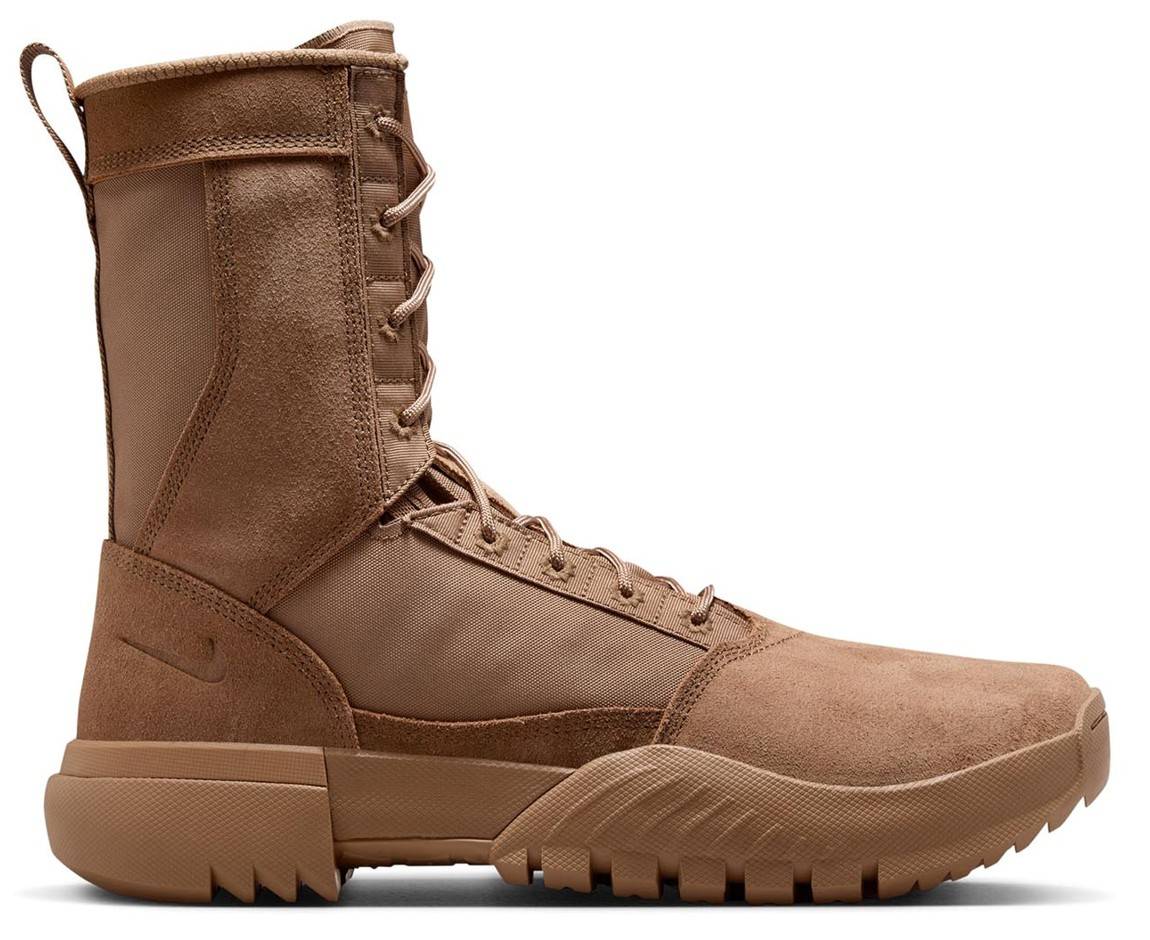
The Nike Men's SFB Air Field Ukiah 8" Leather Military Boots bring modern athletic engineering to tactical footwear. Nike's Special Field Boot (SFB) line has earned significant credibility among military and law enforcement units for combining performance technology with genuine durability.
While the Ukiah variant offers lighter insulation than dedicated cold-weather boots, it pairs effectively with quality tactical socks for moderate winter conditions. The modern cushioning technology reduces foot fatigue during extended patrols and movement operations. The leather construction provides excellent durability, and the design accommodates both traditional and modern tactical gear configurations.
These boots suit operators who want cutting-edge athletic performance technology integrated with tactical requirements. The SFB Air Field approach works particularly well for law enforcement and security operations where footwear needs to transition between vehicle-based deployments and active field work.
OTB M-Flex 8 Boots
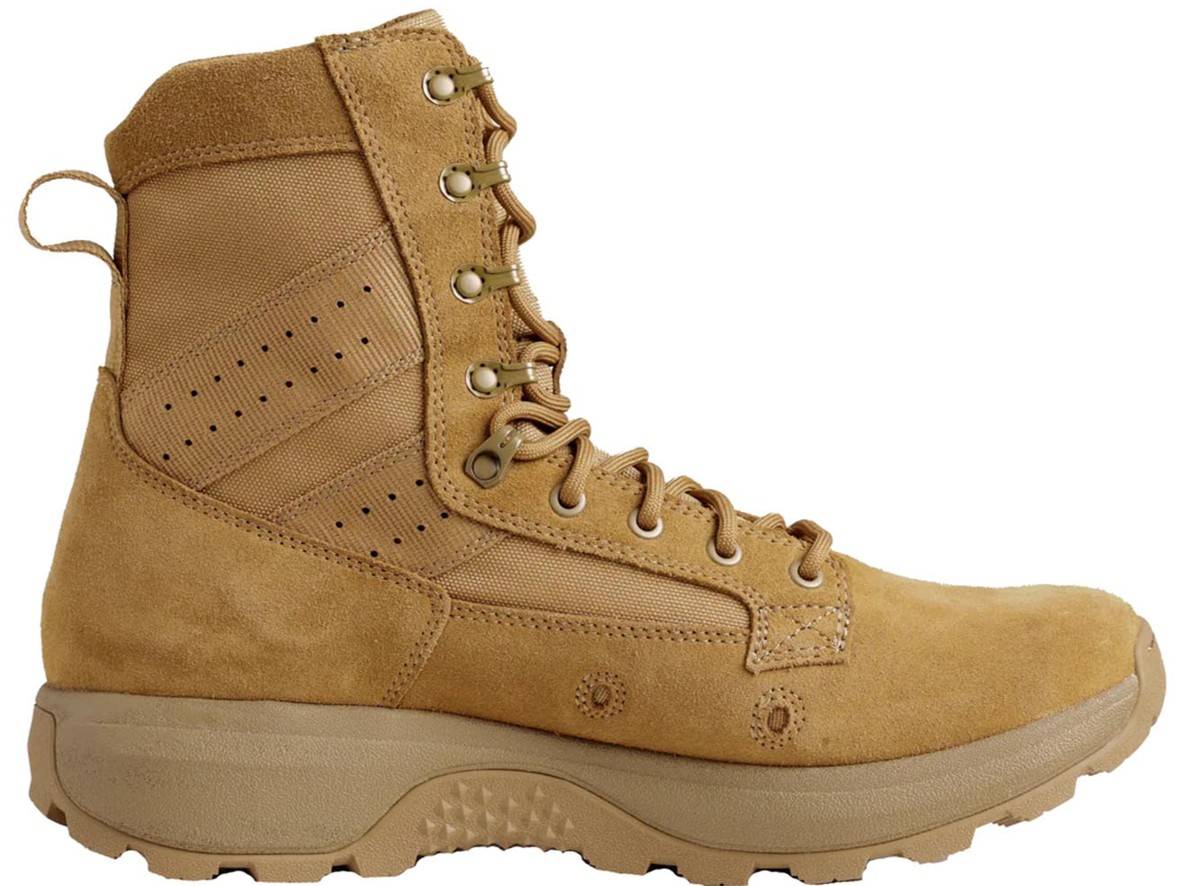
The OTB M-Flex 8 Boots deliver the kind of straightforward, purpose-built performance that field-experienced operators appreciate. OTB (Original Tactical Boots) focuses on building boots that handle genuine military requirements without unnecessary marketing or trend-chasing.
The M-Flex 8 represents a non-insulated approach with excellent flexibility and responsive support. The name reflects the design philosophy: maximum flex for natural foot movement combined with tactical-grade durability. For operators who prioritize maneuverability and foot responsiveness while accepting that cold protection comes from socks and clothing layers, the M-Flex 8 excels.
These boots particularly suit special operations personnel, law enforcement tactical teams, and military professionals who conduct varied-intensity operations. The flexible construction reduces foot fatigue while maintaining reliable support on challenging terrain.
Garmont T8 Defense Boots: Impact Protection for Tactical Operations
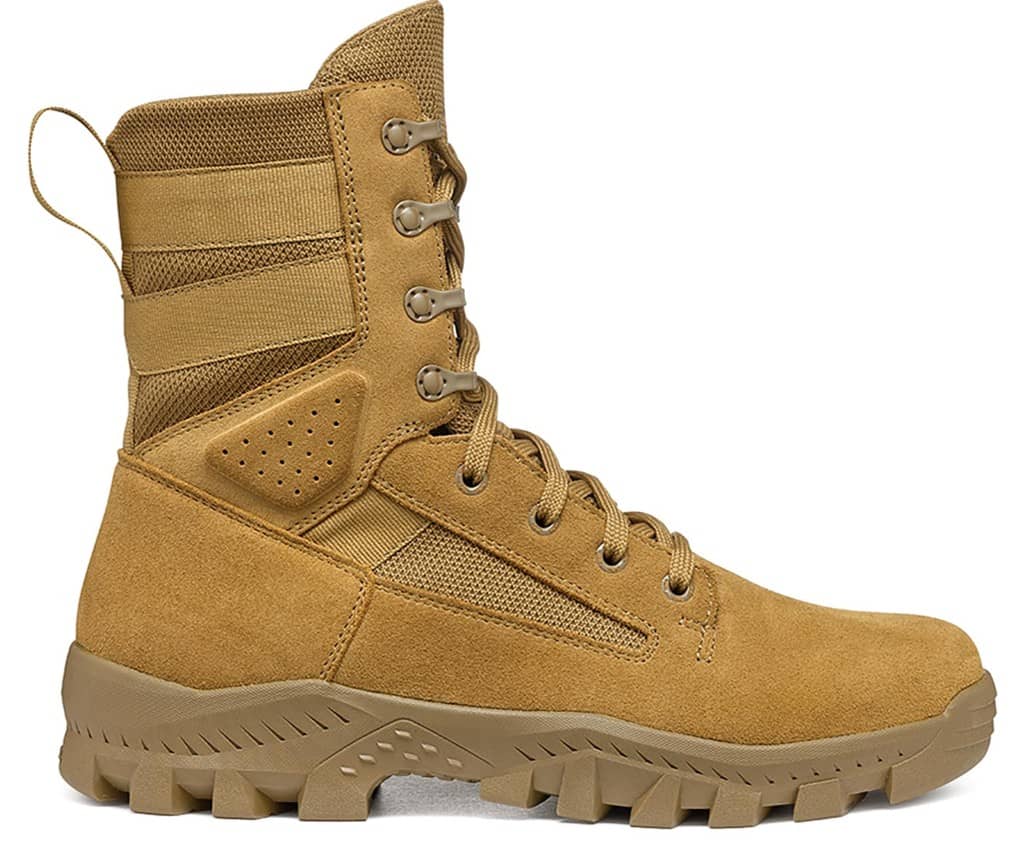
The Garmont T8 Defense Boots bring advanced shock-absorption technology to cold-weather tactical footwear. While offering a non-insulated platform, these boots excel for operators who need maximum protection against impact injuries during aggressive field operations in winter conditions.
Built with suede leather and polyester uppers, the T8 Defense features D3O impact protection in the ankle and tongue—innovative padding technology that absorbs shock from intense movement while remaining responsive during dynamic operations. The key differentiator is the ArnePlant footbed with D3O inserts, which provides superior shock absorption and minimizes foot fatigue during extended cold-weather missions.
These boots suit operators who prioritize impact protection and foot stability over integrated insulation. When paired with quality cold-weather tactical socks, the T8 Defense provides reliable performance for varied-intensity operations where foot protection directly impacts mission capability. AR 670-1 and AFI 36-2903 compliance makes them suitable for military wear, while the versatile design adapts to law enforcement and security operations requiring advanced tactical features.
Cold-Weather Boot Features to Prioritize
Beyond insulation level, several features differentiate superior cold-weather military boots:
Waterproofing Technology:
Gore-Tex and similar membrane technologies prevent snow melt and ground moisture from entering the boot while allowing sweat vapor to escape. This balance prevents the double-cooling problem where external moisture combines with internal sweat to create rapid heat loss. For added moisture protection, SofSole Heavy Duty Silicone Waterproofer can help reinforce your boots’ water resistance in wet conditions.
Aggressive Outsole Patterns:
Lugged soles with deep tread and angular edges grip snow and ice more effectively than standard patterns. Look for designs that bite into slippery surfaces rather than skid across them.
Insole Quality:
Premium insoles provide moisture management and comfort support that prevents foot fatigue during extended cold-weather operations. Better insoles also reduce the foot pain that can distract from mission focus.
Ankle Support Construction:
Cold-weather operations often occur on snow-covered, unpredictable terrain. Superior ankle support prevents injuries that could compromise an entire mission or operation.
Building Your Cold-Weather Boot System
The most effective cold-weather foot protection comes from treating boots as part of an integrated system rather than standalone equipment.
Sock Selection:
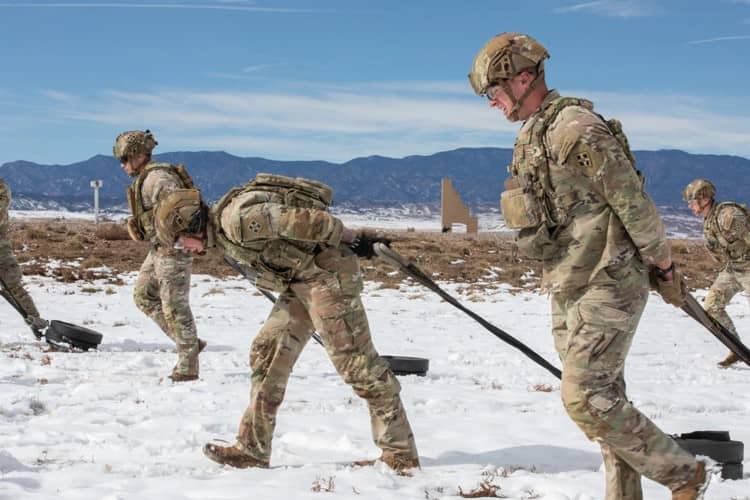
Invest in premium military-grade socks designed for cold weather. Merino wool blends excel at moisture management while providing insulation. Avoid cotton entirely in cold-weather operations—it retains moisture and loses insulation when wet.
Layering Approach:
Consider thermal underlayers that work with your boot selection. Merino wool or modern synthetic options wick moisture effectively when paired with appropriate footwear.
Boot Maintenance:
Proper care extends cold-weather boot performance. Regular cleaning, appropriate conditioning for leather, and occasional drying and inspection prevent performance degradation when you need reliability most. The Kiwi Suede and Nylon Footwear Care Kit provides the essentials to help keep military boots clean, protected, and field-ready.
Break-In Protocol:
Cold-weather operations aren't the time to test new boots. Properly break in all footwear before deploying in challenging conditions. Extended wear in training ensures boots perform reliably when environmental stakes are highest.
Critical Foot Care for Cold-Weather Operations
Keeping your feet clean and dry is crucial to prevent cold-weather injuries and maintain operational effectiveness. This fundamental principle becomes increasingly critical as temperatures drop—moisture accelerates heat loss and creates conditions for serious foot injuries including trench foot, frostbite, and non-freezing cold injuries. Your foot care practices are as important as your boot selection.
Dry Socks Are Non-Negotiable:
Wet socks are one of your greatest cold-weather threats. Moisture comes from two sources: external precipitation and snowmelt, and internal sweat from physical exertion or inadequate boot breathability. Both sources create dangerous cooling when combined with cold temperatures. As temperature drops, maintaining dry feet transitions from a comfort issue to a survival imperative. Wet socks reduce insulation effectiveness to nearly zero, regardless of boot quality or sock material. A foot that remains wet in cold conditions will develop cold injury rapidly.
Carrying Spare Socks:
Always carry at least one extra pair of socks readily accessible in your ruck, pack, or body carry system. Place them in a waterproof bag to ensure they remain dry even when everything else gets wet. In extended cold-weather operations, carry multiple spare pairs distributed across your equipment so you have access to fresh dry socks even if part of your load is compromised. Spare socks should be premium military-grade—avoid cotton entirely. The weight penalty is negligible compared to the protection dry socks provide against cold-injury development.
Changing Socks When Tactically Feasible:
If getting wet is unavoidable—and in many cold-weather operations it is—change to dry socks whenever tactical circumstances permit. This doesn't mean compromising mission security, but rather recognizing that changing socks during rest breaks, transitions between movement phases, or other natural operational pauses significantly reduces cold-injury risk. Even brief exposure to wet feet in cold temperatures creates danger; changing socks at the earliest tactical opportunity prevents gradual deterioration of foot condition. The few minutes required for sock change during a planned rest period pays dividends in preventing injuries that could compromise the entire operation.
Foot Inspection and Hygiene:
During extended operations, inspect your feet regularly for early signs of cold injury. Look for color changes, numbness, tingling, blistering, or skin breakdown. Address problems immediately—early detection and intervention prevent progression to serious injury. Whenever possible, keep feet clean and dry them thoroughly between operations. Proper hygiene prevents infections that can develop in the skin breakdown associated with cold exposure. Trim toenails carefully to prevent ingrown nails that cause pain during extended operations. Small hygiene measures prevent foot problems that can sideline operators or compromise mission effectiveness.
Selecting the Right Boot for Your Operations
The best military boot for cold-weather field operations depends on your specific situation. Ask yourself:
- What temperature range will you face?
- How much movement and activity intensity is expected?
- What does your packing list and equipment allowance provide?
- What terrain—snow, ice, rocks, mixed—will you traverse?
- How long will operations continue in cold conditions?
For most military professionals conducting standard cold-weather field exercises and operations, non-insulated boots like the Garmont T8 Bifida or OTB M-Flex 8 paired with premium tactical socks deliver superior performance. This approach maximizes versatility, improves moisture management, and adapts to activity intensity changes.
When your specific operational environment or packing list mandates maximum insulation—arctic deployments, extended static positions, or mountaineering-adjacent missions—the Belleville Khyber 400g or Garmont T8 Extreme EVO 200g options provide the insulation performance you need.
Performance Where It Matters Most
Cold-weather military operations demand boots that perform reliably when conditions are harshest and mission focus is most critical. Your feet carry you through entire operations—choosing footwear based on genuine requirements rather than assumptions about what "winter boots" should include pays immediate dividends in comfort, performance, and operational effectiveness.
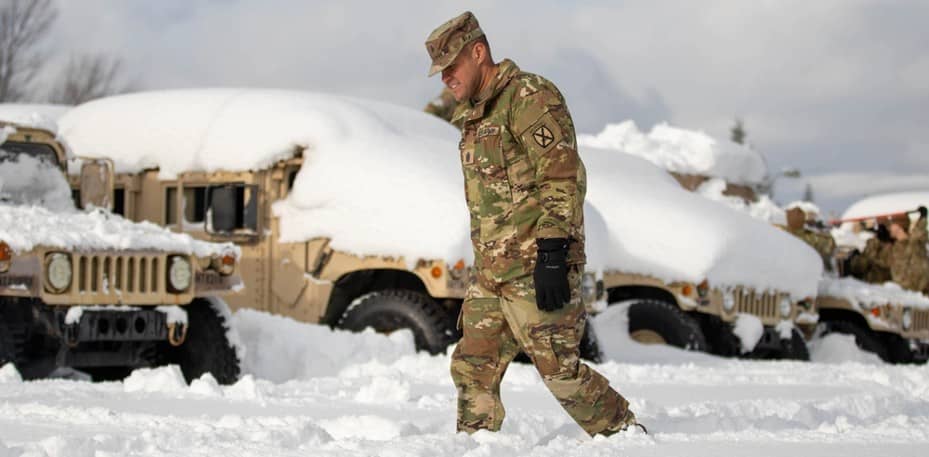
The boots featured here represent different valid approaches to cold-weather foot protection. Whether you select insulated or non-insulated platforms, pair your choice with quality socks, proper maintenance, and realistic break-in protocols. Feet that remain warm, comfortable, and supported improve decision-making, enhance situational awareness, and reduce cold-weather injuries that compromise unit effectiveness.
Your military boot investment should reflect how you conduct operations, not generic assumptions about cold-weather gear. Select deliberately, break in thoroughly, and you'll find that the right cold-weather boots become trusted equipment that performs when conditions demand your very best.
FAQs About Cold-Weather Military Boots
Should I use insulated or non-insulated boots for cold-weather operations?
For most military professionals and field operations, non-insulated boots paired with high-quality tactical socks provide superior performance over insulated options. Non-insulated boots offer better moisture management, greater versatility across temperature ranges, and reduce the risk of foot sweat accumulation that can actually increase cooling. Reserve heavily insulated boots for missions where your operational environment or packing list specifically requires maximum warmth, such as arctic deployments or extended static positions.
What type of socks should I wear with military boots in cold weather?
Invest in premium military-grade tactical socks designed for cold-weather operations. Merino wool blends are excellent choices, offering superior moisture management, natural insulation that performs even when damp, and antimicrobial properties that reduce foot odor during extended field operations. Avoid cotton socks entirely in cold weather—they absorb and retain moisture, losing insulation effectiveness and increasing cold-related injury risk. Quality tactical socks are as important as boot selection for effective cold-weather foot protection.
How do I know what size military boot to order?
Military boot sizing often differs from casual footwear sizing. Order boots half a size larger than your normal street shoe size to accommodate thick tactical socks and allow room for foot swelling during extended operations. Ensure there's adequate toe box space—your toes should not touch the boot end even when wearing insulated socks. Proper fit prevents blisters, improves circulation, and enhances cold-weather performance.
How do I break in military boots before cold-weather deployment?
Proper boot break-in is critical before deploying in cold conditions. Begin wearing new boots during training with full load-bearing equipment several weeks before operations. Gradually increase wear duration and intensity. Pay attention to pressure points and address them with insole adjustments or padding before they develop into blisters. Ensure boots are fully broken in under normal conditions—cold-weather deployments are no place to discover fit problems. Well-broken-in boots prevent foot injuries that could compromise your entire mission.
How do I prevent cold-related foot injuries?
Cold-related foot injuries like frostbite and trench foot develop gradually but can cause permanent damage. Prevention requires multiple layers: proper insulated or non-insulated boots with quality socks, regular foot inspection during extended operations, keeping feet as dry as possible, avoiding standing still in extreme cold, and maintaining adequate circulation through movement and exercise. Rotate foot position regularly during static duty. Recognize early warning signs like numbness, tingling, or color changes and take immediate warming action. For more cold-weather guidance, read Top Ways to Stay Ready with the Right ECWCS.
Related Posts
Disclaimer: The information in this blog post is for general informational purposes only and should not be taken as legal, regulatory, safety, or professional advice. Galls, LLC and its affiliates, including US Patriot, LLC, (collectively, the “Company”) distribute public safety and law enforcement products but do not manufacture the items discussed. All product details are based on manufacturer-provided information and have not been independently verified by Galls. We make no warranties regarding the accuracy or completeness of such information. Readers should consult the respective manufacturer or regulatory authority for the latest details.
For more detailed information, visit our Disclaimer Page.
 Item Added to Cart!

