


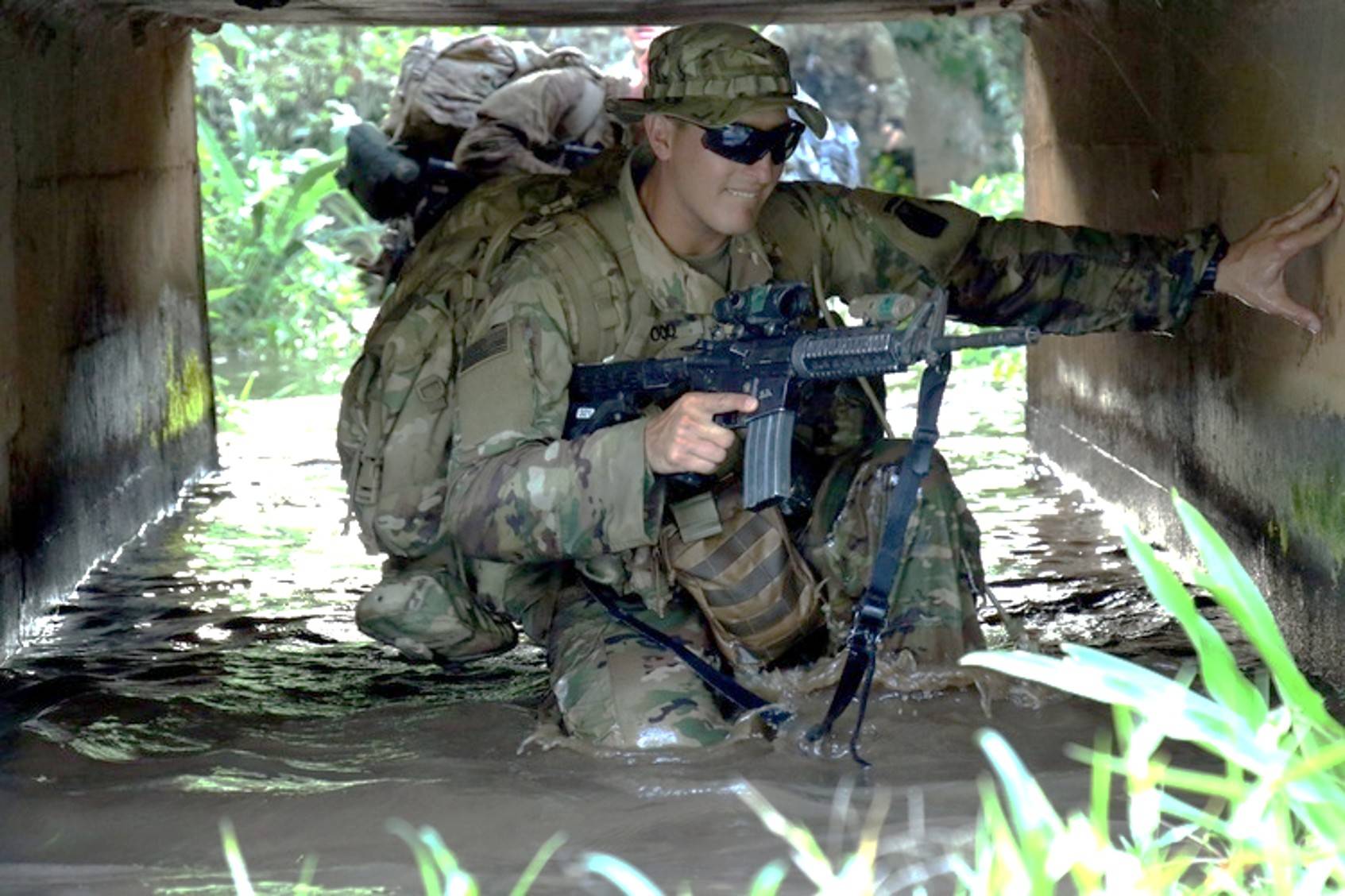
How to Waterproof Your Ruck for Wetter Spring Conditions

Spring operations bring unpredictable weather, rapid temperature shifts, and heavy precipitation. When you are operating in the field, wet gear is more than an inconvenience; it is a critical vulnerability that can compromise your mission and your health. Carrying a waterlogged rucksack adds unnecessary weight, while damp clothing and compromised equipment degrade your operational readiness.
Securing your equipment against the elements requires strategic preparation and reliable gear. We aim to be your most trusted provider of tactical solutions, enhancing your performance and safety by offering superior products and expert guidance.
In this guide, we will break down the essential strategies for waterproofing your rucksack. You will learn how to build internal defense layers for your gear, protect mission-critical documents, and equip yourself with durable wet weather apparel built for the demands of any operation.
The Strategic Advantage of Reliable Waterproofing
When preparing for deployment or upcoming training exercises, managing environmental threats is a primary objective. Standard issue rucksacks provide a baseline level of durability, but they are not waterproof. Sustained exposure to rain, river crossings, or muddy environments will eventually force moisture through the seams and zippers of even the toughest nylon.
Waterproofing your ruck or combat backpack ensures that your spare uniforms and sleep system remain dry, your communication equipment functions, and your rations are preserved. We recommend a layered approach to moisture management. Rather than relying solely on a single exterior rain cover—which can snag on brush or tear during high-mobility movements—incorporating internal dry bags and waterproof compartments guarantees your essential items survive the harshest climates.
Defending Your Rucksack: Internal Waterproofing Solutions
The most effective way to secure your gear is by utilizing modular waterproof bags inside your primary pack. This compartmentalization not only keeps your equipment dry but also improves your organization and packing efficiency.
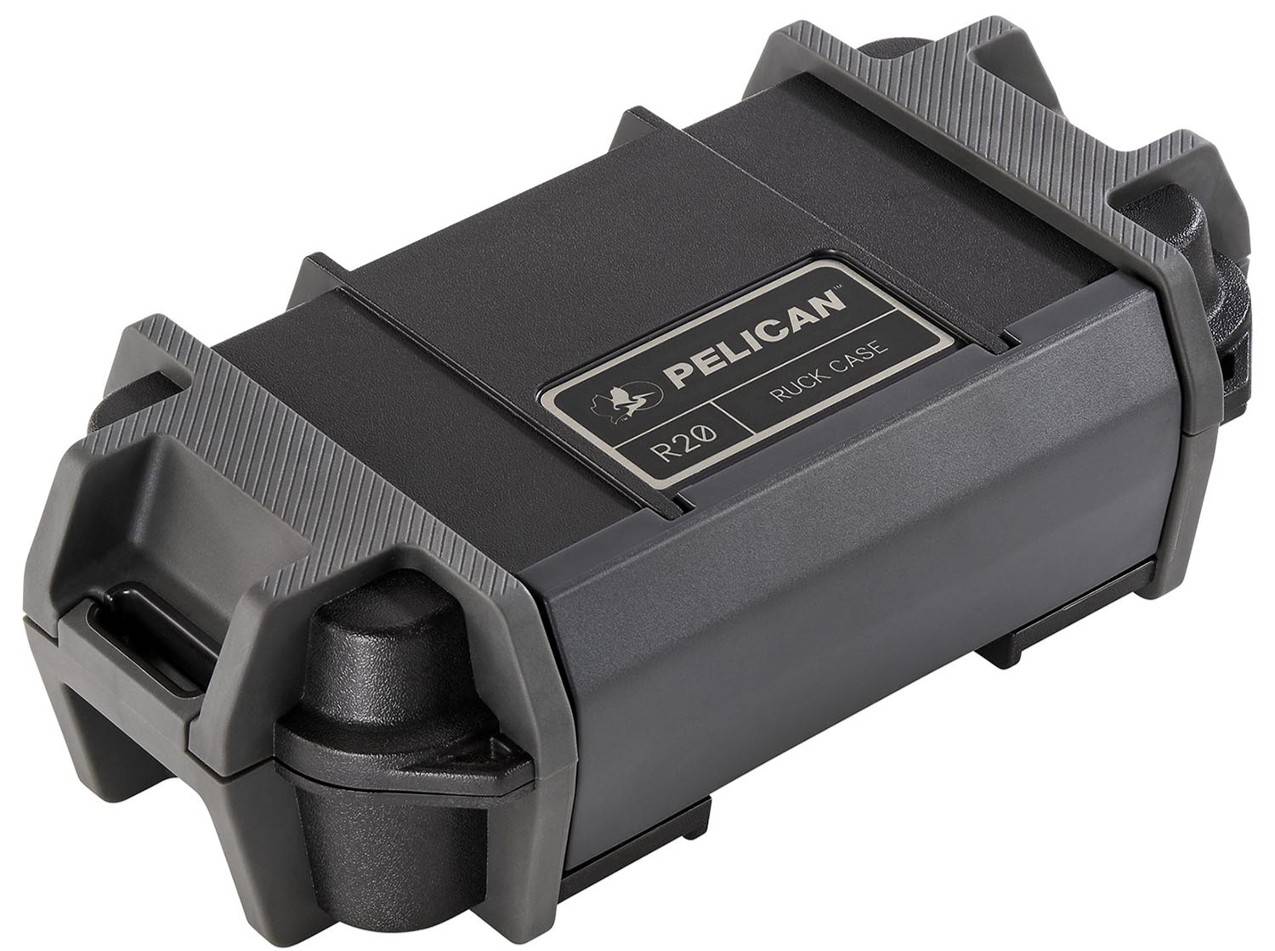
In addition to soft stuff sacks and dry bags, dedicated hard cases provide uncompromising protection for your most sensitive electronics and mission-essential items. Pelican cases, in particular, are valued across the military community for their robust construction, waterproof integrity, and impact resistance. These smaller, ruck-size Pelican cases are engineered to defend electronics, batteries, communication devices, documents, and phones from both water and harsh impacts encountered in the field. Their secure latching systems and precision-molded seals ensure that fragile equipment remains fully protected, regardless of operational terrain or weather conditions. Incorporating Pelican cases into your rucksack loadout demonstrates a proactive commitment to safeguarding critical gear and maintaining uninterrupted operational capability.
Essential Stuff Sacks and Dry Bags
To build a reliable internal waterproofing system, you need resilient materials designed for extreme conditions. Using high-quality dry bags allows you to categorize your loadout while creating an impenetrable barrier against moisture.
For large-scale protection, start with a robust base layer. The 5ive Star Gear GI Spec Waterproof Nylon Laundry Bag is an excellent, budget-conscious option that mirrors military issued wet weather bag. It provides a massive main compartment to shield your bulkier items from incoming rain or submersion. Be sure to close the opening properly to avoid any leaks.
When you need to compress specific gear, such as sleeping bags or spare uniforms, we highly recommend the Snugpak Dri-Sak Bag. Engineered for endurance and reliability, this bag features a secure roll-top closure and durable taped seams, ensuring zero water ingress even if your ruck is fully submerged. The Snugpak Dri-Sak also comes in varying sizes from 4L to 35L. Having dry bags in multiple sizes is essential during wet weather patrols because not all gear needs the same level of protection or accessibility. Smaller dry bags allow you to isolate mission critical items you may need to access quickly such as spare batteries, headlamps, a quick change of socks (critical in wet conditions), or snacks while keeping them dry inside non waterproof sustainment pouches.
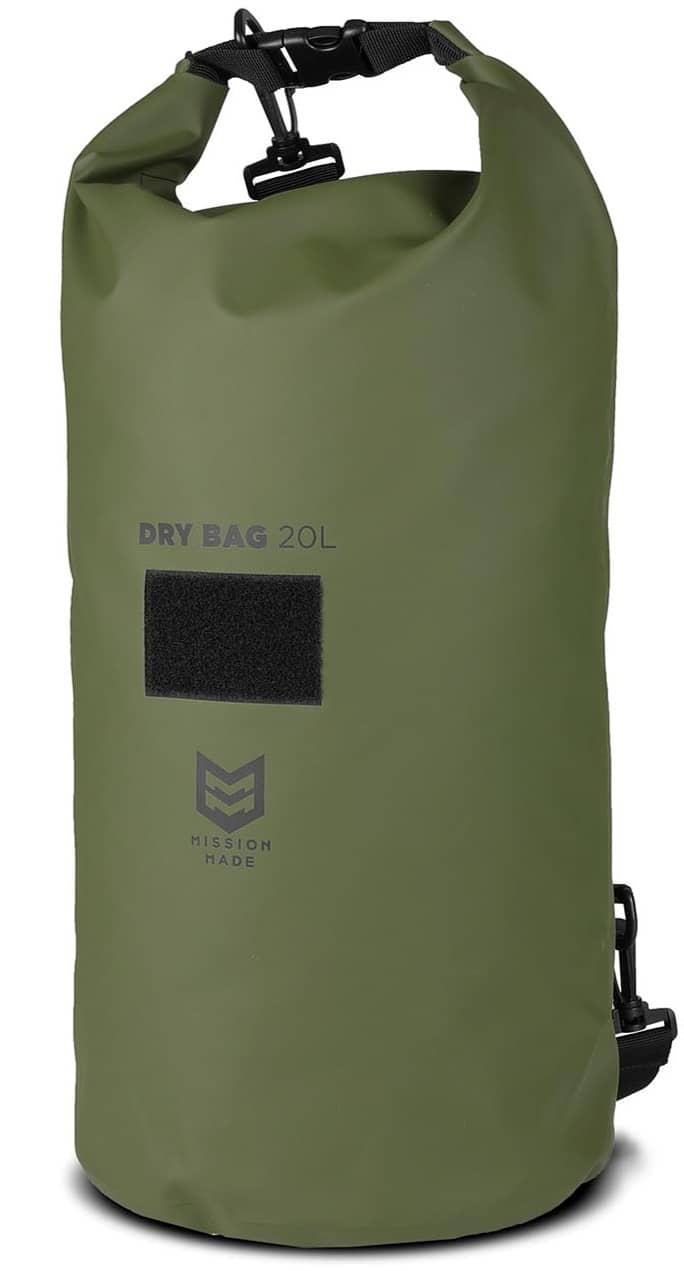
For modular organization, the Sea to Summit Stuff Sack offers a lightweight yet tough solution. These sacks are perfect for isolating smaller pieces of kit, ensuring that your clean gear stays separate from wet or muddy items. Similarly, the Mission Made Dry Bag provides a secure, adaptable option for organizing rations, hygiene kits, or sensitive electronics.
If you require varying capacities depending on your mission parameters, Tasmanian Tiger offers exceptional, proven solutions. The Tasmanian Tiger Waterproof Stuff Bag WPV 15L is ideal for an extra set of base layers or communication gear. For extended patrols requiring maximum storage, upgrade to the Tasmanian Tiger Waterproof Stuff Bag WPV 48L. Both options feature military-grade precision and roll-top closures that lock out the elements completely. A great feature for these bags is the release valve that allows for quick and easy compression and reduce pack profile.
Securing Mission-Critical Documents
Keeping your clothing dry is vital, but protecting your operational intelligence is paramount. Maps, coordinates, comm cards, and CONOPs must remain legible regardless of the weather conditions you encounter. It's also important to keep secure to ensure OPSEC.
Protecting Maps and Documents
Navigating through dense, wet environments requires constant map checks. A standard map can disintegrate within minutes if exposed to heavy spring downpours. To guarantee your operational readiness, you must house your navigation tools in a secure, transparent, and resilient casing.
The Sea to Summit TPU Guide Waterproof Map Case 13 x 17 is field-tested and approved for this exact purpose. Constructed from tough thermoplastic polyurethane (TPU), this map case resists UV damage and extreme cold without cracking. Its fully welded construction and watertight roll-top closure provide your maps with complete protection, ensuring you maintain your tactical advantage and stay on route.
Admin Tools for Wet Conditions
Data collection does not stop when the rain starts. Whether you are logging grid coordinates, taking notes during a reconnaissance patrol or OPORD, or recording range data, your writing materials must perform under pressure.
We trust Rite in the Rain products to deliver unmatched compliance and utility. Their specialized, patented paper sheds water completely, allowing you to write clearly in torrential downpours or high-humidity environments. Pairing their tactical notebooks with their all-weather pens guarantees that your critical administrative tasks are never compromised by the elements.
Equipping the Operator: Advanced Wet Weather Apparel
Your rucksack is secure, and your documents are protected. Now, you must focus on your own physical readiness. Sustaining exposure to cold spring rain rapidly degrades your core temperature, leading to fatigue and reduced combat effectiveness. Investing in compliant, durable wet weather gear is essential for maximizing comfort during long duty hours.
High-Performance Hard Shells and Windshirts
When the weather breaks aggressively, you need outer layers that provide an immediate shield without restricting your mobility.
The OTTE Men's Recce Hardshell Jacket is engineered specifically for operators who demand lightweight, rugged protection. Built with resilient, waterproof materials, it blocks heavy rain while remaining highly breathable, preventing internal moisture buildup during intense physical exertion.
The Propper Men's Gen II Waterproof Duty Jacket delivers a professional appearance combined with tactical utility. This jacket features fully sealed seams and an optimized design to accommodate duty belts and tactical vests securely.
For fast-moving operations in shifting climates, the OTTE Gear Super L Windshirt V3 offers an adaptable layer of defense. It cuts through harsh winds and repels light precipitation, making it an indispensable piece of kit for unpredictable spring weather.
Reliable ECWCS Pants and Parkas
The Extended Cold Weather Clothing System (ECWCS) is the gold standard for military environmental protection. Tru-Spec provides exceptional options that meet these rigorous standards, offering reliable defense against extreme wet weather.
The Tru-Spec H2O Proof ECWCS Pants are constructed from an advanced three-layer waterproof, windproof, and breathable material. Designed to be worn over your standard uniform trousers, they feature zippered leg openings for rapid donning over your boots, ensuring you stay dry from the waist down.
Pair these trousers with the Tru-Spec H2O Proof Gen 2 ECWCS Parka for complete, head-to-toe protection. This parka acts as an impenetrable fortress against the rain, featuring a storable hood, reinforced elbows, and ventilation zippers to regulate your core temperature. It is built for every mission, keeping you focused on your objectives rather than the elements.
Field-Tested Best Practices for Spring Operations
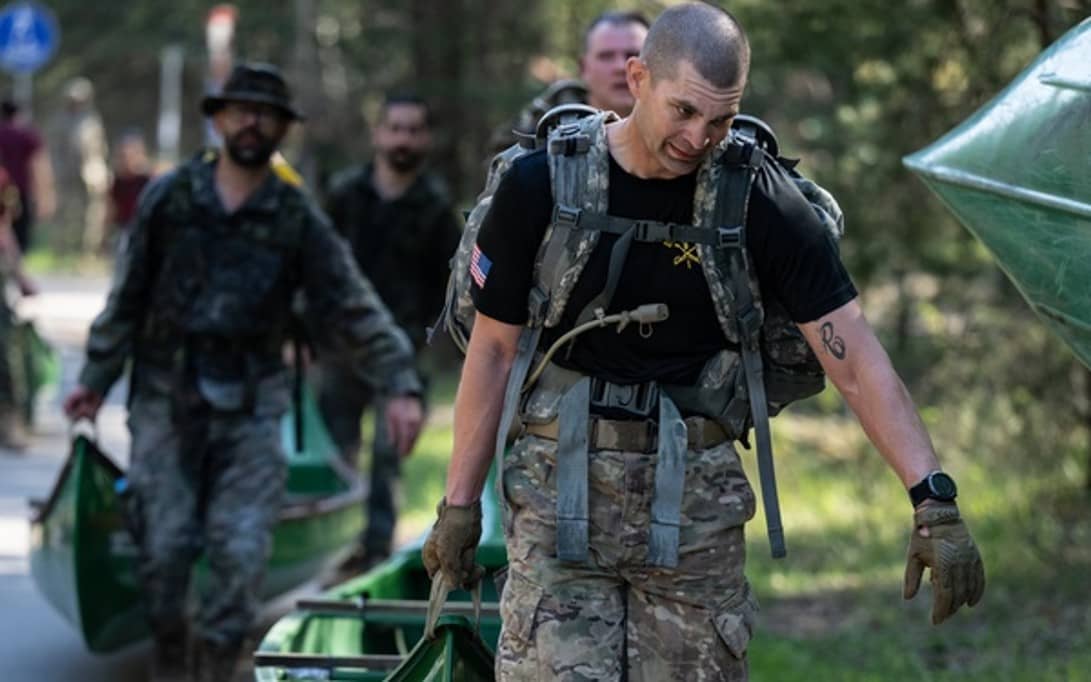
Equipping yourself with the right gear is only the first step. Proper application and maintenance of your equipment are what ultimately ensure your success in the field. Here are essential best practices to maximize your wet weather readiness:
- Purge the Air: When sealing your dry bags or stuff sacks, always compress the bag to push out excess air before rolling the top. This reduces the bulk in your ruck and prevents the bags from bursting under pressure.
- Double Bag Critical Gear: For absolute certainty, double bag your electronics, communication batteries, and spare socks. If one layer fails due to a puncture, the second layer acts as your fail-safe.
- Inspect Your Seams: Before stepping off, actively inspect the seams and zippers of your wet weather apparel and dry bags. Ensure there is no delamination or wear that could compromise the waterproof integrity.
- Maintain Your Apparel: Wash your hard shells and parkas according to the manufacturer's instructions. Dirt and oils can clog the breathable pores of waterproof fabrics, reducing their effectiveness and causing condensation to build up against your skin.
Prepare for the Mission Ahead
Operating in wet spring conditions requires discipline, foresight, and uncompromising equipment. By implementing a layered internal waterproofing system for your rucksack, securing your navigational intelligence, and wearing high-performance wet weather apparel, you maintain your tactical advantage regardless of the forecast.
We stand by the military professionals across all branches who require premier, high-performance gear to execute their missions. Inspect your current loadout today, identify your vulnerabilities, and upgrade your kit to ensure you remain dry, capable, and ready for whatever the mission demands.
Related Posts
Disclaimer: The information in this blog post is for general informational purposes only and should not be taken as legal, regulatory, safety, or professional advice. Galls, LLC and its affiliates, including US Patriot, LLC, (collectively, the “Company”) distribute public safety and law enforcement products but do not manufacture the items discussed. All product details are based on manufacturer-provided information and have not been independently verified by Galls. We make no warranties regarding the accuracy or completeness of such information. Readers should consult the respective manufacturer or regulatory authority for the latest details.
For more detailed information, visit our Disclaimer Page.
 Item Added to Cart!
